When looking at carpet vs. vinyl floors, the main differences are their construction, how they feel, and daily use. Both look nice in the right spot, but work differently once in place.
How Carpet and Vinyl Are Made
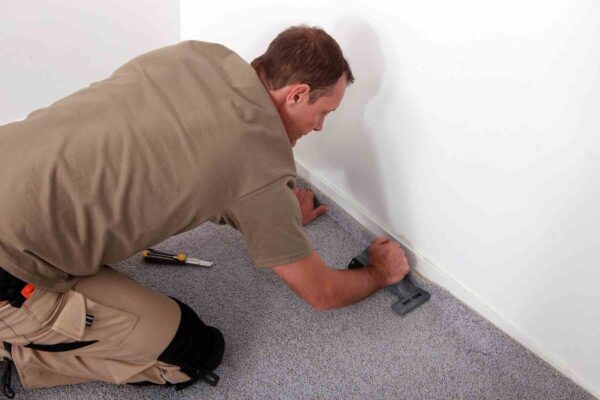
Carpet is a soft floor option made from fibers like nylon, polyester, or wool, which are woven into a backing and set over padding. The padding adds comfort, warmth, and quietness.
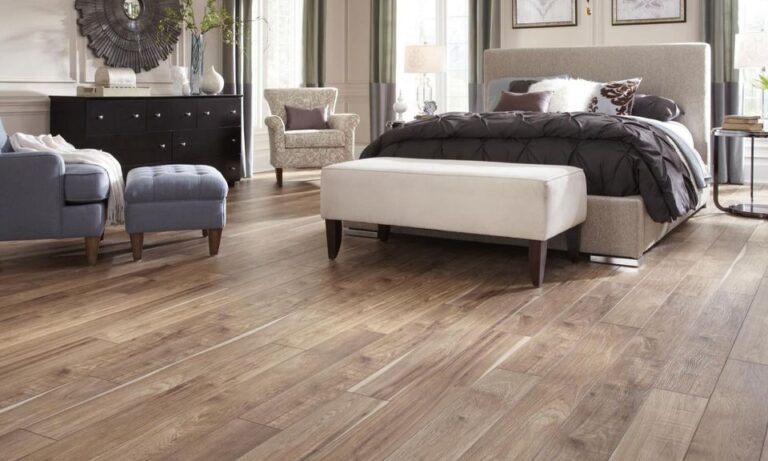
Vinyl flooring, such as luxury vinyl plank (LVP) or tile (LVT), is a hard surface with layers. It has a wear layer for toughness, a design layer that looks like wood or stone, a waterproof core, and a backing for stability. This makes vinyl strong and water-resistant.
Soft vs. Hard Surface Living
Carpet adds warmth and softness, great for cozy spots. Vinyl gives a firm, easy-to-clean surface, suited for areas with spills, pets, or heavy use.
Why Choose Carpet or Vinyl
Carpet is for those who love comfort and quiet, perfect for bedrooms and living rooms. Vinyl suits families needing durability and easy care, ideal for kitchens and busy areas.
Knowing these differences helps you pick the right flooring for your lifestyle.
Key Points for Choosing Carpet or Vinyl
Comfort and Feel
Carpet is soft and comfy, especially in cooler places. Vinyl is firmer but can feel good with the right base.
Water Resistance
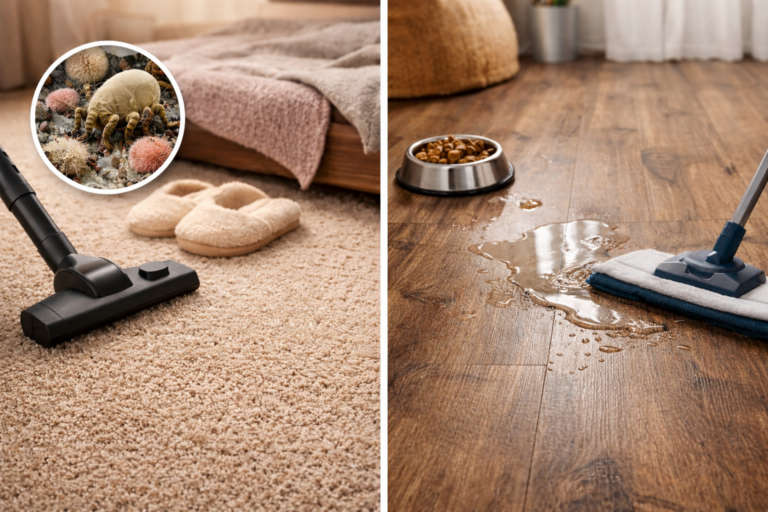
Vinyl is waterproof for spill areas. Carpet absorbs moisture and stains, so it’s best in certain spots.
Durability and Wear
Vinyl withstands scratches and dents. Carpet shows wear over time but feels softer underfoot.
Cleaning and Upkeep
Vinyl is easy to clean, while carpet needs vacuuming and deep cleaning now and then.
Lifestyle and Room Use
Your lifestyle—pets, kids, guests, and foot traffic—helps decide which floor works best.
Carpet vs. Vinyl Flooring Chart
| Flooring Type | Comfort | Water Resistance | Durability | Maintenance | Best Use Areas |
|---|
| Carpet | ✅ Very Soft | ❌ Not Water-Resistant | ⚠️ Moderate | ⚠️ Moderate | Bedrooms, living rooms, stairs |
| Luxury Vinyl Plank (LVP) | ⚠️ Firm but Comfortable | ✅ Waterproof | ✅ High | ✅ Easy | Kitchens, basements, hallways |
| Luxury Vinyl Tile (LVT) | ⚠️ Firm | ✅ Waterproof | ✅ High | ✅ Easy | Bathrooms, laundry rooms |
| Plush Carpet | ✅ Maximum Cushion | ❌ Low | ⚠️ Moderate | ❌ Higher | Bedrooms, low-traffic areas |
<tr data-start="3878For long-lasting floors, durability matters between carpet and vinyl, especially in homes with kids, pets, or many visitors.
How Long Does Carpet Last vs. Vinyl?
Usually, carpet lasts 7–10 years before it wears out, depending on the fiber, padding, and foot traffic. Good carpet lasts longer in low-traffic areas like bedrooms, but hallways and stairs wear out faster.
Vinyl usually lasts 15–25 years if installed and cared for well. Its layers and protective cover make it strong for daily use, making it a good long-term choice for many homes.
Resistance to Wear, Scratches, and Fading
Carpet can get wear paths, flatten, and stain in busy areas. Sun can fade it over time, especially cheaper fibers.
Vinyl withstands scratches, dents, and surface wear better than carpet. Quality vinyl can handle moving furniture, pets, and daily impacts without damage. Many have UV-resistant layers to reduce fading from sunlight.
How Pets and Kids Affect Each Flooring Type
Homes with pets and kids test floors. Carpet can hold pet hair, smells, and allergens, and accidents can stain the padding underneath. Vinyl is pet-friendly and kid-proof—it’s waterproof, easy to clean, and doesn’t soak up spills or odors.
For those valuing durability and ease, vinyl often beats carpet. Mixing vinyl in busy areas with carpet in bedrooms can give a balanced solution.
Carpet vs. Vinyl Flooring: Durability, Lifespan & Cost Comparison
| Flooring Type | Average Lifespan | Material Cost (Per Sq. Ft.) | Installation Cost (Per Sq. Ft.) | Resistance to Wear & Damage | Best For |
|---|
| Standard Carpet | 7–10 years | $2 – $4 | $1 – $2 | ⚠️ Moderate (wear paths, stains) | Bedrooms, low-traffic areas |
| High-Quality Carpet | 10–15 years | $4 – $7 | $1.50 – $3 | ⚠️ Moderate–Good (with proper care) | Living rooms, stairs |
| Luxury Vinyl Plank (LVP) | 15–25 years | $3 – $6 | $2 – $4 | ✅ High (scratch & dent resistant) | Kitchens, basements, busy homes |
| Waterproof Rigid Core Vinyl | 20–30 years | $4 – $7 | $2.50 – $5 | ✅ Very High (impact & moisture resistant) | Whole-home installations |
| Commercial-Grade Vinyl | 25–30+ years | $5 – $8 | $3 – $6 | ✅ Excellent (heavy traffic) | Rentals, large families |
Cost is often the last factor to consider when picking between carpet and vinyl flooring, but looking beyond the initial price is key. Installation, upkeep, and replacement times influence the real cost over time.
Average Material Costs per Square Foot
Carpet usually has a lower initial cost, with material prices between $2–$4 per square foot for basic options and $4–$7 per square foot for better-quality fibers. Carpet padding is an extra cost that affects comfort and durability. For more on carpet types, padding, and prices, check out our Carpet Flooring Cost Guide.
Luxury vinyl plank (LVP) materials usually cost $3–$6 per square foot, with top-tier waterproof or rigid core vinyl going for $7 or more per square foot. Vinyl may cost more upfront, but its layered build and toughness often make it a good long-term choice. Our Vinyl Flooring Cost Guide gives more info on LVP pricing and factors affecting vinyl flooring costs.
Installation Cost Differences
Carpet installation is mostly cheaper and quicker, costing about $1–$3 per square foot, depending on room shape and old flooring removal.
Vinyl flooring installation costs a bit more, around $2–$5 per square foot, due to needed subfloor prep, leveling, and cutting. Good vinyl installation greatly impacts its long-term performance.
Long-Term Cost of Ownership
Carpet might need replacing every 7–10 years, especially in busy spots, and often needs professional cleaning to stay nice. Vinyl can last 15–25 years or more with little upkeep and rarely needs fixing or replacing.
Over 15–20 years, vinyl often ends up more cost-effective despite a higher upfront cost, especially for homes with children, pets, or heavy daily use.
Getting a professional flooring estimate can help you see real costs based on your space, use, and future plans.
Carpet vs. Vinyl Flooring: Cost & Long-Term Value Comparison
| Flooring Type | Material Cost (Per Sq. Ft.) | Installation Cost (Per Sq. Ft.) | Average Lifespan | Maintenance & Repair Costs | Long-Term Value |
|---|
| Standard Carpet | $2 – $4 | $1 – $2 | 7–10 years | ❌ Higher (deep cleaning, replacement) | ⚠️ Moderate |
| High-Quality Carpet | $4 – $7 | $1.50 – $3 | 10–15 years | ⚠️ Moderate | ⚠️ Moderate–Good |
| Luxury Vinyl Plank (LVP) | $3 – $6 | $2 – $4 | 15–25 years | ✅ Low | ✅ High |
| Rigid Core Waterproof Vinyl | $4 – $7 | $2.50 – $5 | 20–30 years | ✅ Very Low | ✅ Very High |
| Commercial-Grade Vinyl | $5 – $8 | $3 – $6 | 25–30+ years | ✅ Minimal | ✅ Excellent |